
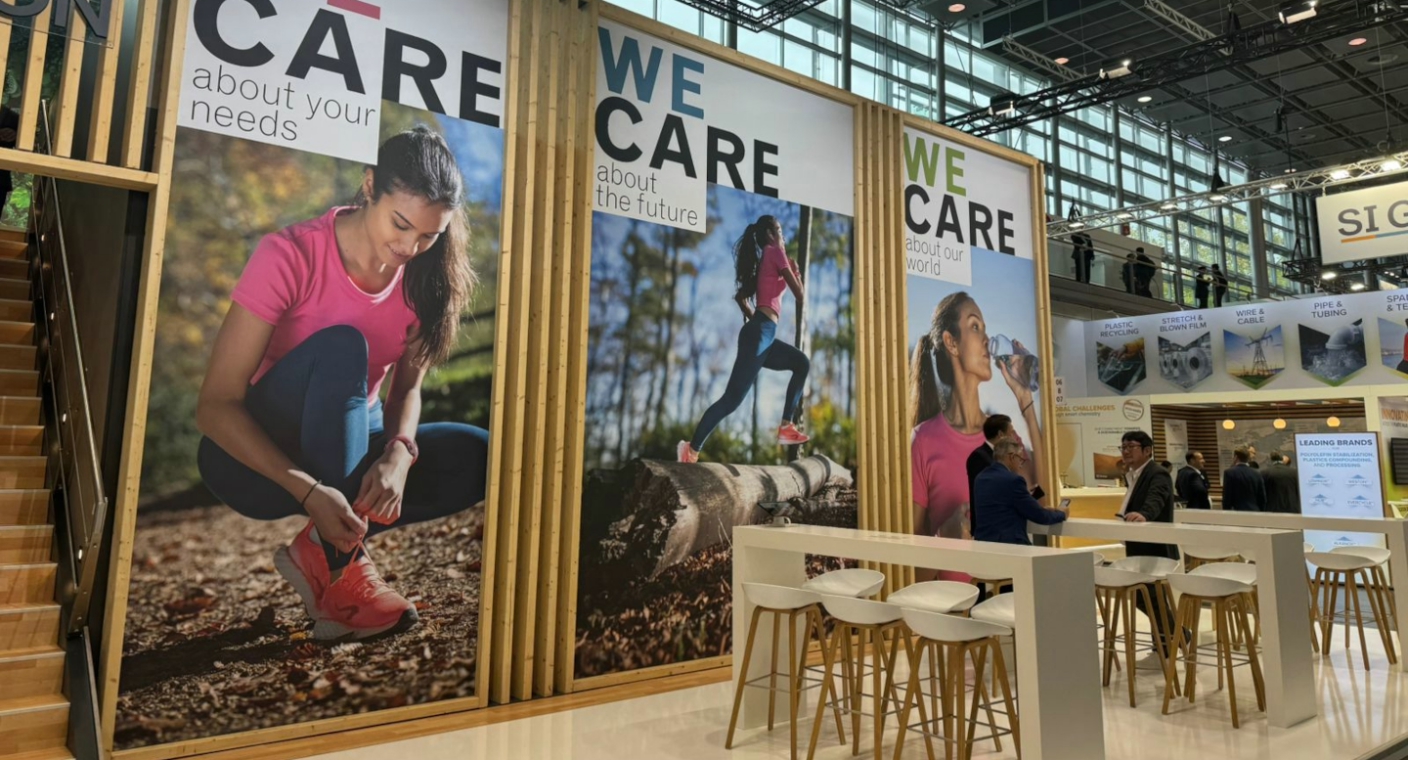

When taking part as an exhibitor at a trade show, a lot of planning goes into making sure the event is successful. Why are we going, who are we going to meet, what are our messages? And then there is the cost, both direct (space, stand build, displays) and indirect (travel, accommodation, entertainment) as well as the often “hidden costs” of staff involved in attendance, organisation, coordination and communication.
Once the objectives, messaging, and costs are defined, the next challenge is bringing them to life on the show floor. Have you considered the details that make a booth truly effective? For example, training the staff who will be at the booth on what they need to do to support your ideas? In many cases, those working the booth are not part of the communications team who developed the strategy around what’s going on in the booth. And unless the time is taken to educate those attending on what they will see in the booth, your amazing ideas are going to fall flat.
Convey the theme and the message
After months of working on the project, you might be tired of seeing the booth. However, those working the booth might be seeing it for the first time when they show up at the exhibit.
Many of them have no idea there is a theme or what message they should be weaving into conversations. They may know a few of the products, but if your theme is sustainability and you’ve been promoting that the booth is full of sustainable products on your social media channels and in your pre-show press releases, the team needs to be aware so they stay on message. The last thing you want is a customer or someone in the media showing up with a question about something they saw on your LinkedIn page, and the team has no idea what they are referring to.
Explain the booth design and flow
A lot of thought goes into the design of the booth and the flow. Hold a meeting before the show to show the team what the booth looks like and the reasoning behind the chosen design. Getting them on board with the strategy of the booth design will help confidently guide customers and prospects. It will also familiarise them on what is going to be in the booth, the focus areas, where they can go if they have customer meetings and what the customer can expect.
If press conferences or special events are planned to take place at the booth, let them know in advance so they can pre-plan their meetings. They may even want to invite customers to the booth at that time. Even things like free coffee or ice cream at 3 p.m. could be incentives for them to get their customers there.
Have fun with video and social media
Video is also a common multimedia element at booths, and in some cases the videos shown are new. Hold a meeting before the show to play the videos for the team so that they are familiar with the content and the messages being promoted. This way if they see a customer intently watching one, they can start their conversation based on the video content, or if someone comes to the booth with a question, they may be able to direct them to the video.
Social media also plays an increasingly important role in exhibition design. Booths are now designed with “share-worthy” elements that encourage visitors to capture and share their experiences online. Photogenic, interactive areas and live social media feeds displaying posts tagged with the event hashtag can draw attention and amplify engagement. Hashtag campaigns and subtle prompts around the booth help visitors share content naturally, extending your reach while keeping the experience seamless and professional. By integrating these elements thoughtfully, your booth can attract attention both on the show floor and across social media platforms[1].
With this in mind, make sure attending members are trained on social media to help support the efforts of your corporate social media team. The more voices talking about your booth and the message on their personal social media channels, the greater the chance people will learn what you have at the booth and pay it a visit. The designated marcom team could have pre-written and approved social media posts ready for them to use at certain times, or if they are comfortable with creating their own posts, provide them with a few guidelines so they can do it themselves. They also should be informed of the show hashtag and how they can connect with potential leads while they are still at the show.
Make the most of your interactive experiences
Augmented reality (AR) or setting up a virtual reality area[2] are growing in popularity. These technologies are most effective when someone is there to help the customer experience it. Assigning someone to take care of visitors in this area, as well as training them on how the programme and goggles work and how to trouble shoot common issues (for example, it won’t turn on or an error is showing up on the screen), will help keep it running smoothly and be an enjoyable experience for those attending.
The same concept of having a designated person at the AR area can be used for video interviews being shot at the booth. Let the team know that these are happening and where. If the interviews are pre-scheduled, have a list prepared for the team so that if someone comes to the booth asking about their interview, they can be directed to the person managing it. Plus, because those interviewed are usually experts or executives, it could be a reason to ask a customer to come to the booth at that specific time to have a chat.
Ask and you shall receive
Finally, let the team know what you need from them. Ask them to pay attention to new initiatives and provide feedback on what worked and what didn’t.
Also, instruct them on what photos they should be taking and how and where to share them with the team. This way your marcom team will have all the content they need to create social media posts throughout the show.
Shows are a big expense and a lot of time goes into making them memorable. Making it a success will take more than one person if the booth area is large or if you have multiple components. The secret to having everything work the way you planned is to ensure everyone is working together. Having all those in the booth understand the strategy, message and media mix will help maximise attendee participation, drive visitors to the booth and make all the time put into planning pay off.
